January 28, 2026 |
Where the land loosens its grip and the sea becomes memory
Tunisia meets the sea gently. There are no violent cliffs or dramatic ruptures where land ends and water begins. Instead, the coastline softens, stretches, opens itself. Sand slopes patiently into blue, and the Mediterranean arrives not as spectacle, but as companion. To experience Tunisia’s beaches is to understand how the country breathes when it rests.
The shoreline runs long and varied, changing character as quietly as the light does throughout the day. In the north, the sea feels cooler, more introspective. Waves move with restraint, brushing against coves framed by pine trees and rocky edges. The water here holds deeper shades of blue, sometimes almost steel colored in the early morning. Beaches near forested hills feel private even when shared. The air carries resin and salt together, and footsteps on sand are often the only sound interrupting the breeze.
Further along the coast, the beaches open wide. The sand becomes paler, finer, almost powdery beneath bare feet. The sea warms, stretches shallow for long distances, inviting stillness rather than challenge. This is where families gather, where children run without fear of sudden depth, where umbrellas dot the shoreline like quiet punctuation marks. Laughter carries easily across water that barely rises above the knees for meters at a time. The Mediterranean here is generous and forgiving.
In places like Hammamet and Sousse, the beach is inseparable from life. It is not a destination reached deliberately. It is a presence always nearby. Morning walkers trace the water’s edge while the sand is still cool. Fishermen pull nets slowly as the sun rises behind hotels and old walls alike. By midday, towels appear, conversations overlap, and the sea reflects white light so brightly it feels almost unreal. And yet, even at its busiest, the beach never feels rushed. The rhythm remains slow, unbothered.
Further south, the coastline shifts again. The sea deepens in color, taking on emerald and turquoise tones that change hourly. In Mahdia, the water feels clear enough to disappear, revealing sand ripples below as if the sea were glass. Swimming here feels weightless. Sound dulls. The body floats more easily, and time loosens its hold. People linger longer without realizing how many hours have passed.
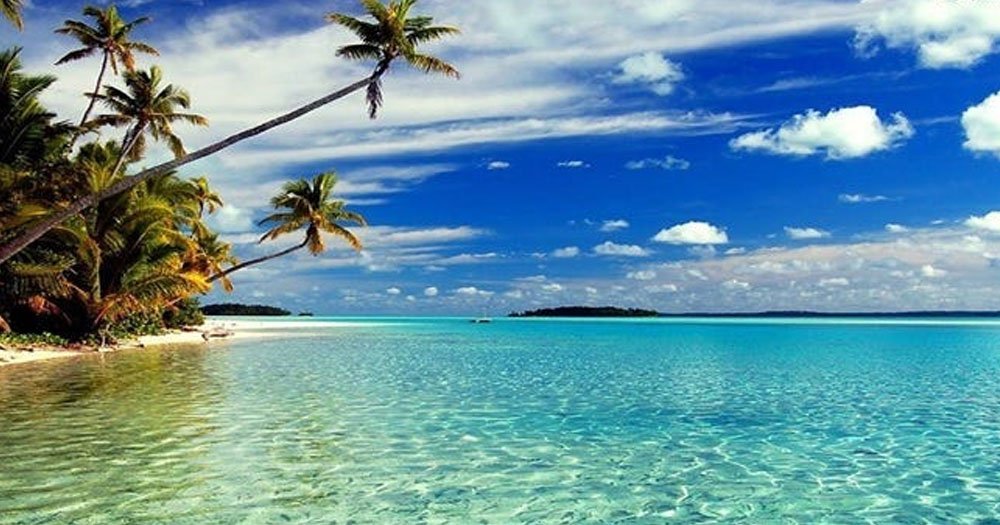
On the islands, particularly in Djerba, the beach becomes something else entirely. The sea here feels ancient, calm in a way that suggests it has seen everything already. Palm trees lean toward the water, not dramatically, but with acceptance. The sand is soft and clean, shaped by centuries of wind and tide. Even when visitors fill the shore, the atmosphere remains unhurried. There is space for silence. There is space to sit and do nothing at all.
In the far south, the Mediterranean meets the Sahara’s influence. The light becomes harsher, brighter. The sand warms faster and holds heat longer. The sea feels thicker, saltier. Beaches near Zarzis and beyond feel less ornamental and more elemental. Here, land and water exist side by side without decoration. The horizon stretches endlessly, and the absence of crowds amplifies every sound. A single wave breaking feels monumental.
What unites all Tunisian beaches is their accessibility. They are not guarded by exclusivity or ceremony. They belong to everyone. A towel laid on sand is enough. A pair of sandals left beside a bag is sufficient claim. There is no separation between locals and visitors, no invisible line dividing who belongs. The sea does not distinguish.
Emotionally, Tunisian beaches hold memory. Many people remember learning to swim here, guided by patient hands. Others remember first loves unfolding beneath umbrellas, or long conversations held while watching the horizon darken at sunset. Families return to the same stretches of sand year after year, recognizing rocks, familiar currents, familiar smells. The beach becomes a place where personal history quietly accumulates.
Logically, the diversity of Tunisia’s coastline is what gives it lasting appeal. Rocky coves coexist with endless sandy expanses. Shallow waters sit beside deeper swimming zones. Calm mornings give way to breezier afternoons. Each beach answers a different need, whether rest, play, solitude, or connection. Few countries of this size offer such variation without requiring long journeys.
Ethically, the relationship Tunisians maintain with their beaches remains grounded in use rather than ownership. Beaches are cleaned collectively. They are respected as shared spaces. Even as tourism grows, there is an understanding that the sea is not a product, but a presence. It feeds, cools, sustains, and restores. That understanding shapes behavior in subtle ways.
As evening approaches, the beaches change once more. The sun lowers, shadows stretch, and the sand cools. People linger, unwilling to leave the moment too quickly. The sea darkens into deep blues and silvers. Conversations soften. Children grow quieter. The day releases itself gradually.
To stand at a Tunisian beach at sunset is to feel something settle inside. The land behind you feels far. The water ahead feels endless. And for a brief moment, everything aligns into calm.
Tunisia’s beaches are not designed to impress. They are designed to welcome. They do not demand admiration. They invite presence.
And long after the salt has dried on skin and sand has been shaken from bags, the feeling remains. A sense that somewhere, just beyond memory, the sea is still waiting, steady and patient, ready to receive you again.