January 28, 2026 |
Where tradition is written in honey, almonds, and rose water
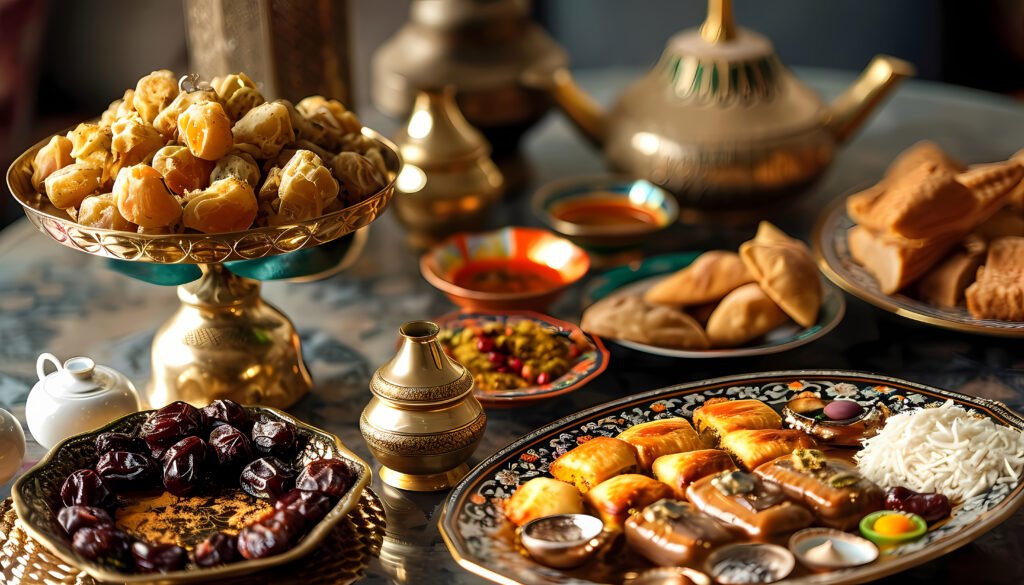
In Tunisia, desserts are never just the final course. They are memories shaped by hands, stories passed through generations, and moments of joy shared around a table. Every region, every season, and every family brings its own interpretation, influenced by Amazigh roots, Andalusian elegance, Ottoman richness, and Mediterranean lightness. Together, Tunisian sweets form a culinary heritage as layered and expressive as the country itself.
Desserts appear during life’s happiest moments. They are served at weddings, religious holidays, family gatherings, and quiet afternoons accompanied by mint tea. Behind each recipe lies patience and skill. Many pastries are handmade, using techniques taught slowly from mother to daughter, from grandmother to grandchild. These are not rushed creations, but carefully crafted expressions of love and continuity.
One of the most iconic Tunisian sweets is makroudh, closely associated with Kairouan. Shaped like small golden diamonds, makroudh is made from semolina dough filled with dates or almonds, fried until crisp, then soaked in warm honey. The contrast between its crunchy exterior and soft, fragrant center has made it a symbol of Tunisian pastry. Its flavor feels timeless, carrying echoes of Kairouan’s ancient souks and spiritual heritage.
Along the coast, especially in Sfax and Mahdia, desserts lean toward refinement and delicacy. Kaak warka is one of the most celebrated examples. This elegant white ring shaped cookie hides a tender almond filling gently scented with rose water. Light and almost powdery, it melts on the tongue and is traditionally served at weddings and formal celebrations, symbolizing grace, purity, and hospitality.
Another beloved sweet is samsa, a small triangular pastry filled with almonds or hazelnuts and wrapped in thin layers of dough. Once fried or baked, it is glazed with honey or syrup, creating a perfect balance of crispness and sweetness. Samsa reflects centuries of Andalusian and Ottoman influence, and its preparation requires exceptional precision. Each layer is brushed carefully, each fold made with intention.
In Tunis, ceremonial sweets such as zrir hold deep cultural meaning. Made from sesame, honey, butter, almonds, and spices, zrir is traditionally prepared to mark births and major family celebrations. Rich and nourishing, it is more than a dessert. It is a symbol of blessing, strength, and care, offered to honor important life moments.
Further south, in regions such as Gabes, Tataouine, and Matmata, Amazigh traditions shape a different expression of sweetness. Dates, local honey, nuts, and aromatic herbs dominate these desserts. Date based halwa, almond cakes infused with palm aromas, and rustic confections reflect the generosity of the oases and the deep connection between people and their environment.
Across the country, Tunisian sweets are inseparable from the aromas that define local kitchens. Rose water, orange blossom water, cinnamon, mastic, and finely ground almonds give each recipe its personality. Preparing these desserts is often a communal ritual. Women gather to knead, shape, and decorate, exchanging stories and laughter as trays slowly fill. Their movements are instinctive, guided by experience rather than written instructions.
What truly sets Tunisian desserts apart is their emotional depth. Each bite carries a sense of familiarity and belonging. Many Tunisians remember the sound of trays sliding into ovens before Eid, the scent of honey warming on the stove, or the quiet pleasure of enjoying a fresh pastry on a summer afternoon. These sweets are woven into personal and collective memory.
For travelers, discovering Tunisian desserts offers an intimate connection to the country’s soul. Whether tasted in a busy souk bakery, a small neighborhood café, or a family home, these pastries reveal warmth, generosity, and pride in tradition. They are shared not just as food, but as a gesture of welcome.
Tunisian desserts may close a meal, but they open the door to lasting memories. Sweet, fragrant, and deeply rooted in heritage, they remain long after the final bite.