January 28, 2026 |
Where history breathes through every alley
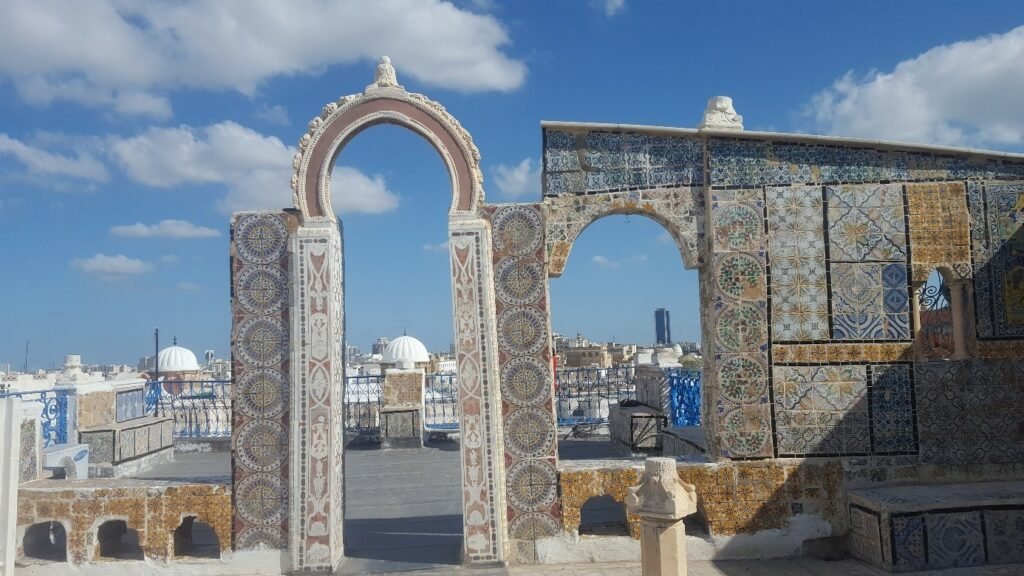
In the center of the capital, safeguarded by historic walls and topped by the grand minaret of Zitouna Mosque, rests one of Tunisia’s most remarkable gems: the Medina of Tunis. Designated as a UNESCO World Heritage site in 1979, the Medina is not merely a historical area; it is a thriving environment, filled with colors, sounds, aromas, and time-honored customs that persist in influencing Tunisian identity.
Entering the Medina feels like immersing oneself in a distinct pace of existence. Narrow passageways wind and bend like the limbs of an ancient olive tree, uncovering concealed palaces, craft studios, vibrant markets, and serene courtyards adorned with orange flowers. The further you delve, the more the city unveils its layers, influenced by Arab, Andalusian, Ottoman, and North African elements. Each corner conceals a secret, each archway contains a tale.
At the center of this maze lies the Zitouna Mosque, established in the 8th century. Its minaret ascends elegantly above the rooftops, directing both worshippers and travelers. For centuries, Zitouna served as both a site of worship and a prestigious educational institution—a university that attracted scholars, poets, and jurists from all corners of the Arab world. Currently, its existence brings the Medina a feeling of balance, structure, and spiritual richness. The call to prayer resonating through the alleys serves as a reminder to visitors that the Medina is a vibrant space where tradition thrives, not limited to museums.
Surrounding the mosque lies a realm of artistry. Here is where artisans in Tunisia have toiled for generations—both men and women who have perfected the intricate crafts of copper engraving, traditional jewelry making, carpet weaving, leather crafting, and detailed wood carving. Observing a craftsman shaping a brass tray or crafting a Kairouan carpet reveals a continuous thread of tradition. Every item narrates a tale of perseverance, craftsmanship, and cultural heritage.
The souks create an intriguing representation of Tunisian society. Souk El Attarine, known for its fragrances and essential oils, exudes the aroma of roses, amber, and musk. Souk El Berka was formerly the location of the slave market in the Ottoman era, and now it is celebrated for exquisite jewelry and silver craftsmanship. Souk El Trouk showcases the impact of Ottoman Turks in its design and merchandise. The arrangement of the souks, where each trade is located in its own section, reflects a refined urban culture that flourished many centuries back.
However, the Medina is more than just a center for trade. It is populated with architectural wonders that showcase Tunisia’s abundant history. The palaces of Dar Ben Abdallah, Dar Lasram, and Dar Hussein enchant guests with their intricately carved doors, patterned tiles, elegant marble courtyards, and gardens in the Andalusian style. These residences of aristocratic families formerly welcomed diplomats, poets, and community leaders, and now they maintain the elegance of Tunisian art de vivre.
As the sun travels through the sky, the Medina changes. Morning arrives as merchants unlock their wooden doors, setting out spices and textiles in the gentle light. Noon energizes the alleys as residents haggle over prices, share pleasantries, and enjoy mint tea in classic cafés. In the late afternoon, shadows stretch over old steps, evoking a feeling of tranquility that contrasts with the previous activity. At this moment, the Medina exudes an aura of timelessness.
For numerous tourists, discovering the Medina turns into one of the most memorable parts of their journey to Tunisia. It is a deep dive not just into the past but into everyday existence—an experience with the essence of the nation. Each shop owner, each artisan, each courtyard welcomes the visitor into a communal experience of culture and warmth.
With STCI’s Cultural Heritage Pack, this experience gains even greater significance. Our customized experience features guided cultural strolls through the Medina, narratives from enthusiastic local specialists, handpicked tours of concealed palaces, and personal meetings with master artisans who welcome our guests into their workshops. Instead of merely meandering, our explorers receive insights to comprehend the Medina—its design, its meaning, its narratives, and the individuals who animate it.
The Cultural Heritage Pack effortlessly links the Medina with Carthage, Sidi Bou Said, and other historical treasures, enabling visitors to experience Tunisia’s heritage as an integrated story instead of separate locations. It caters to individuals who appreciate authenticity, depth, and the comfort of real human relationships.
The Medina of Tunis is not merely a remnant of history, it is a lively, pulsating urban area inside a city. Strolling through its alleys allows you to sense the heartbeat of Tunisia, influenced by centuries but continually transforming. With STCI, you can experience it with understanding, ease, and a feeling of adventure that remains well beyond the trip’s conclusion.